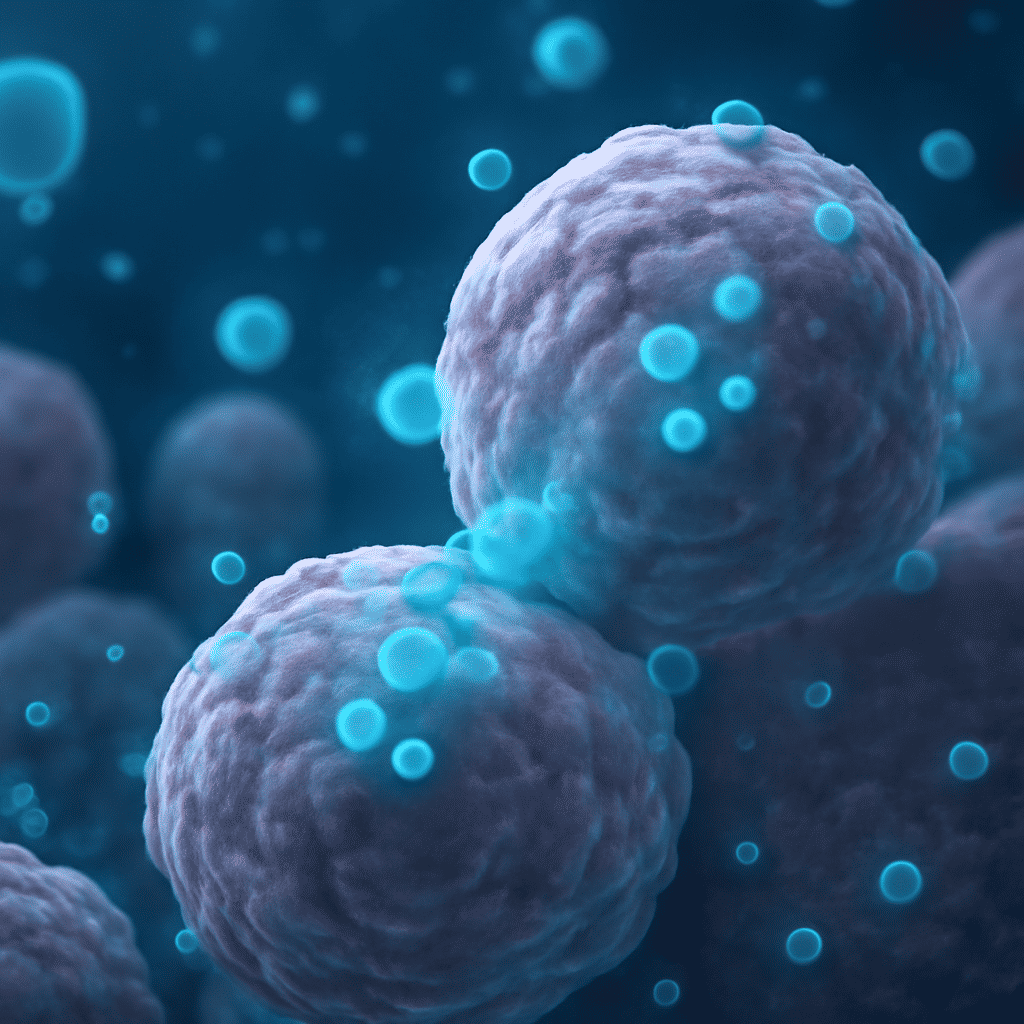
In the realm of medical advancements, the potential role of nanoparticles in cancer treatment has emerged as a beacon of hope, promising to revolutionize the way this devastating disease is managed. Ion Science Co's latest research highlights how nanoparticles could be at the forefront of this transformation, offering a new paradigm in cancer therapy that emphasizes precision, efficacy, and reduced side effects.
Nanoparticles, due to their minuscule size and versatile properties, serve as excellent vehicles for delivering therapeutic agents directly to cancer cells. Unlike traditional cancer treatments that often inadvertently affect healthy cells and tissues, fostering numerous side effects, nanoparticles enable a targeted approach. This precision stems from their ability to be engineered at the molecular level, allowing them to seek out and bind specifically to malignant cells.
The specificity of nanoparticles arises from their customizable surface functionalities. Scientists can modify the surface of nanoparticles to recognize unique markers or proteins present on cancer cells. Once they arrive at their target sites, these nanoparticles can release their therapeutic payloads in a controlled fashion, ensuring that the treatment attacks only the cancer cells while sparing healthy tissues. This targeted delivery not only enhances the efficacy of the treatment but also significantly reduces the burden of adverse side effects commonly associated with conventional cancer therapies such as chemotherapy and radiation.
In addition to targeted drug delivery, nanoparticles also offer novel possibilities in cancer diagnostics and monitoring. They can be designed to carry imaging agents, transforming them into powerful diagnostic tools that aid in the early detection of tumors, thus facilitating more successful treatment outcomes. Furthermore, the ability to monitor the distribution and effectiveness of nanoparticles in real-time through imaging techniques provides invaluable feedback for clinicians, enabling a more personalized treatment approach.
Ion Science Co's groundbreaking research focuses on pushing the boundaries of nanoparticle design and functionality. By integrating advanced material science with molecular biology, researchers at Ion Science Co are developing nanoparticles capable of overcoming some of the most formidable challenges in cancer treatment, such as drug resistance and tumor heterogeneity. Their work emphasizes creating multi-functional nanoparticles that can simultaneously diagnose, deliver drugs, and monitor treatment progress, offering a comprehensive solution within a single platform.
While the field of nanoparticle-based cancer therapy is still in its developmental stages, the implications of these innovations are profound. Not only do they promise to enhance current treatment modalities, but they also open the door for developing new therapeutic strategies that can tackle the disease with greater precision and fewer side effects. The continued research and development in this area carry the potential to transform cancer from a daunting diagnosis into a manageable condition.
The optimism surrounding nanoparticles in cancer treatment is well-founded, with ongoing clinical trials indicating promising outcomes. As Ion Science Co and other pioneers in the field continue to refine these technologies, the hope is that nanoparticles will soon play a pivotal role in reshaping cancer care, bringing us closer to an era where treatments are as sophisticated as they are effective, offering patients a better quality of life and real hope for recovery.